Annual Conference of Nepalese Society of Vascular and Interventional Radiology 2026
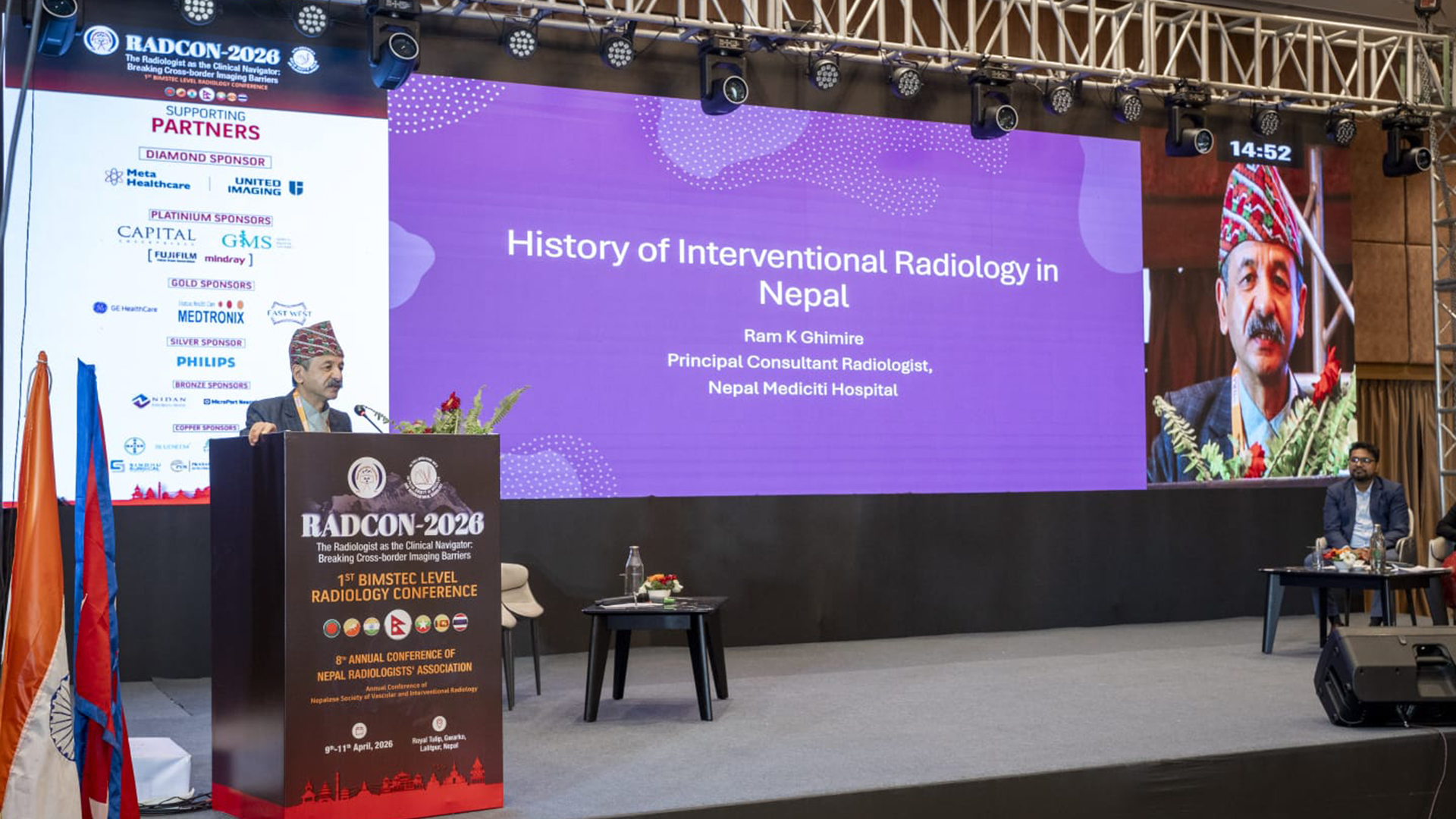
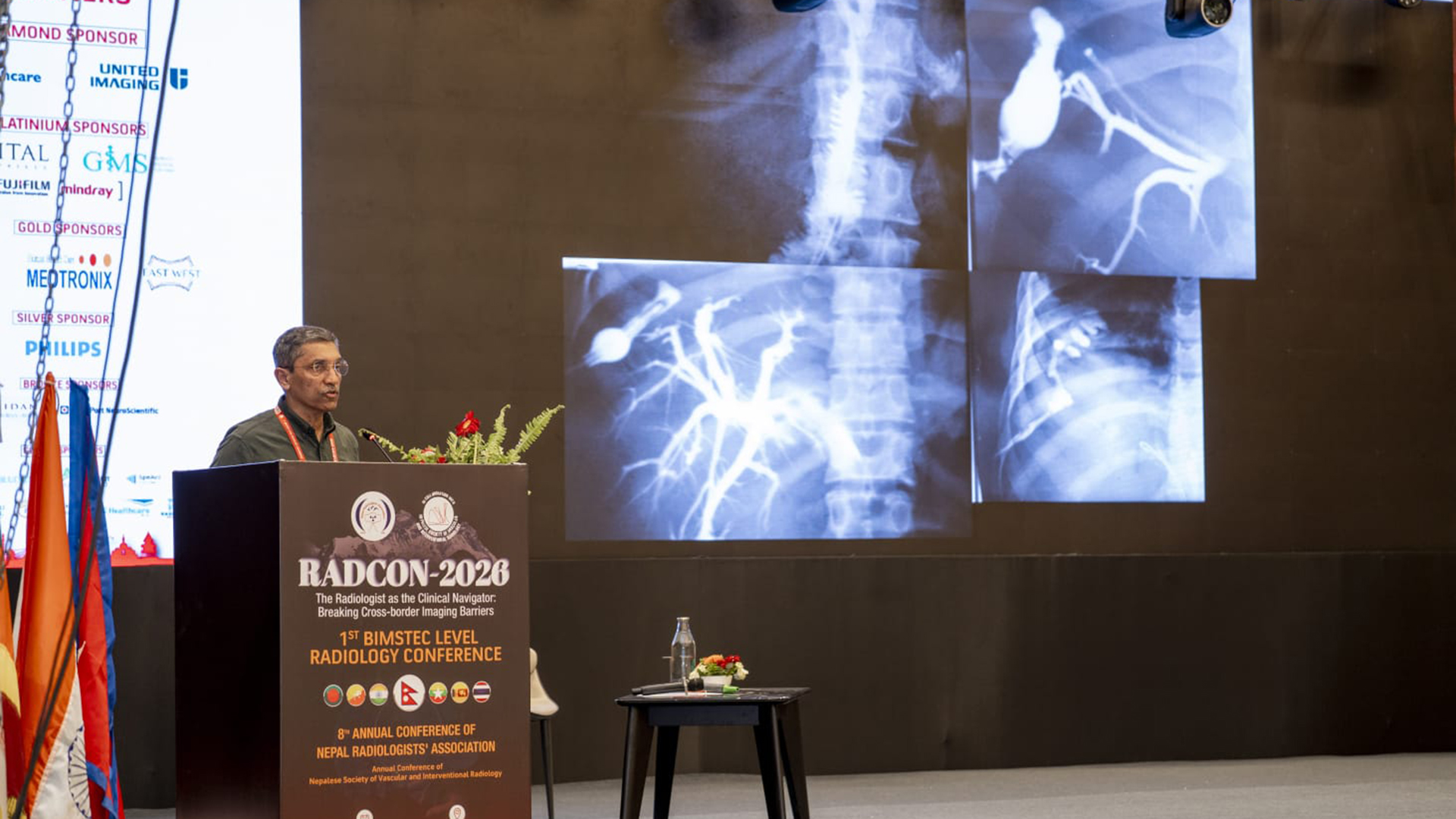
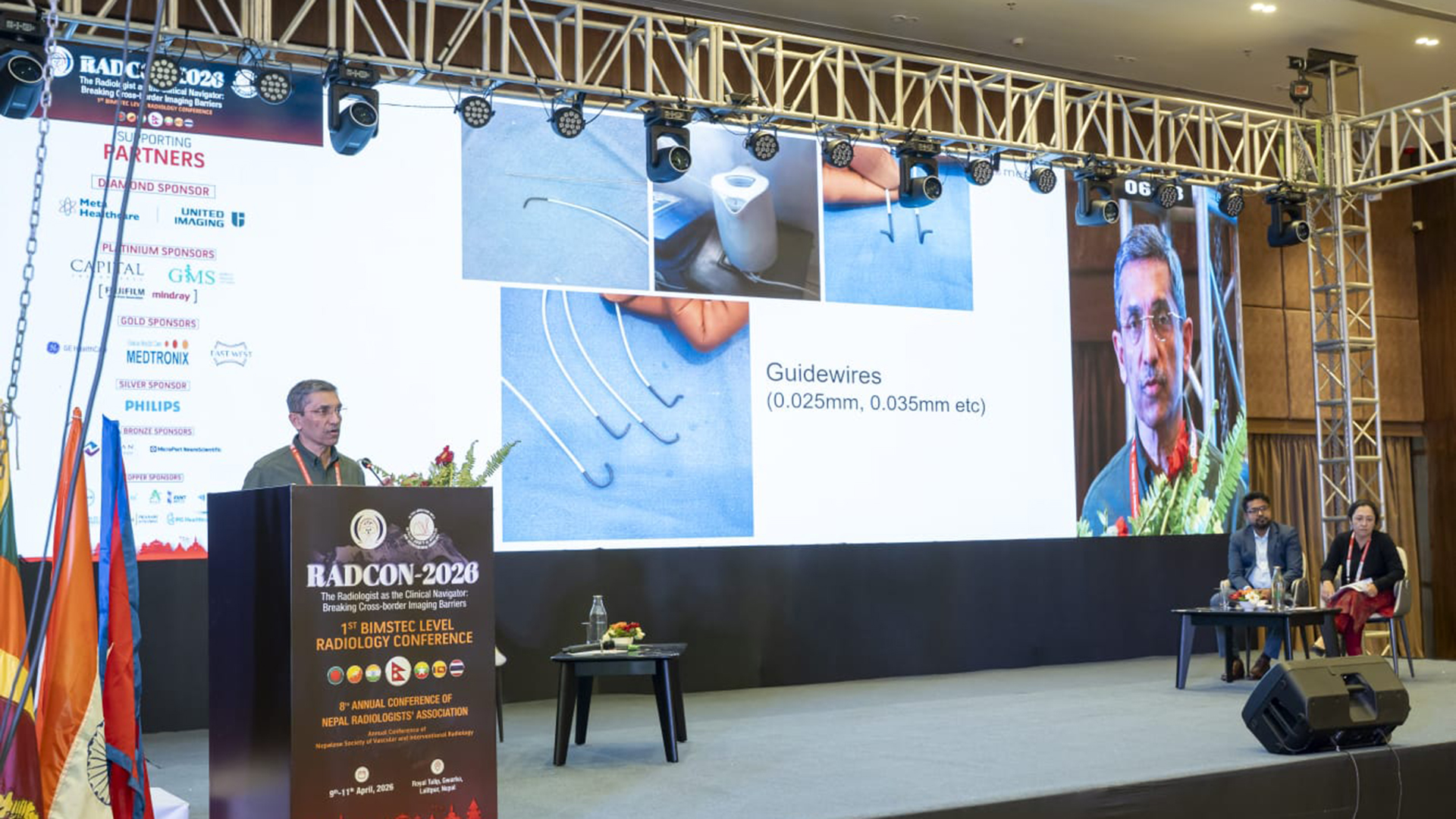
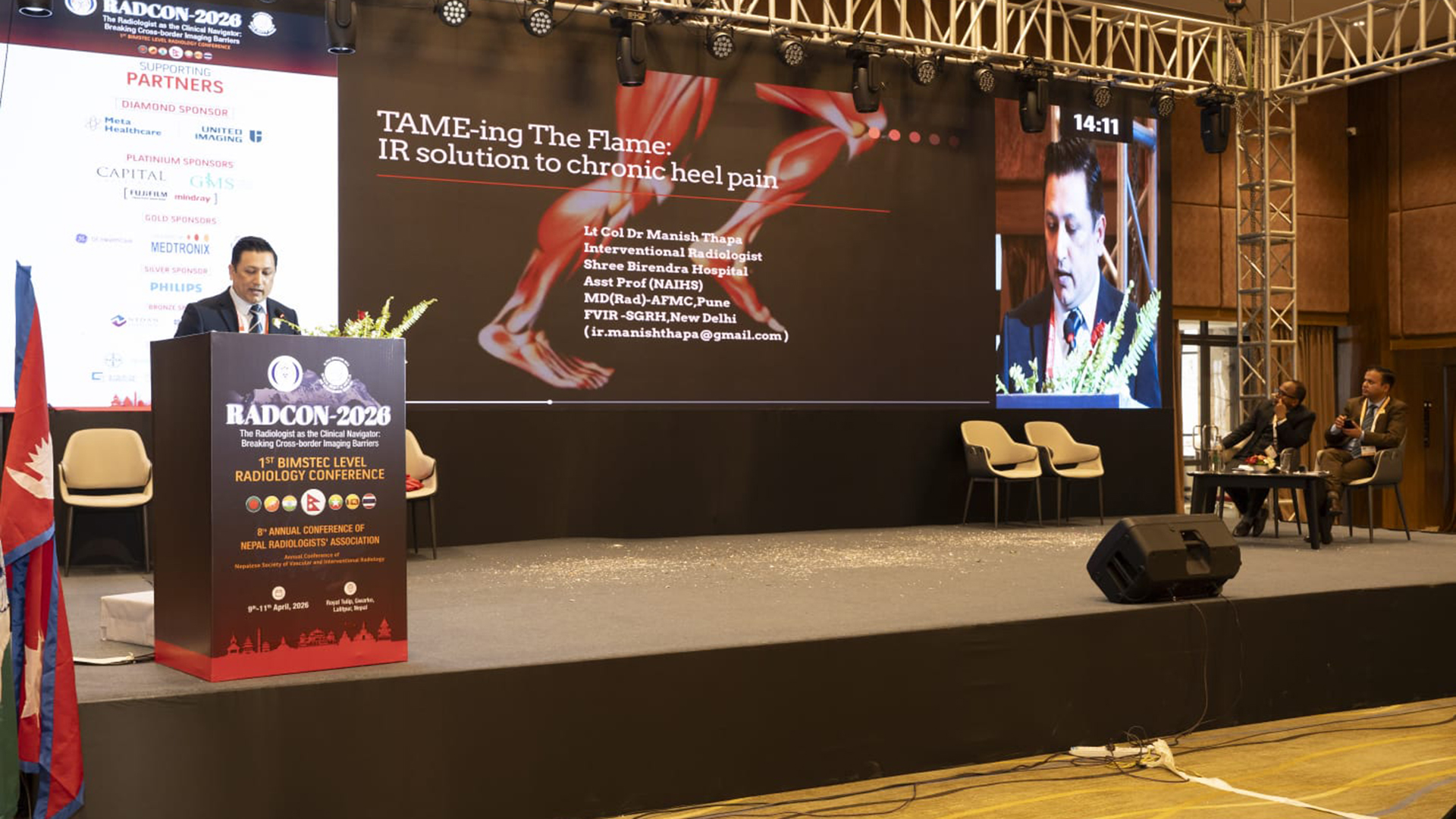
2016 – 1st Annual Meeting of NSVIR / International Conference on Image Guided Therapies
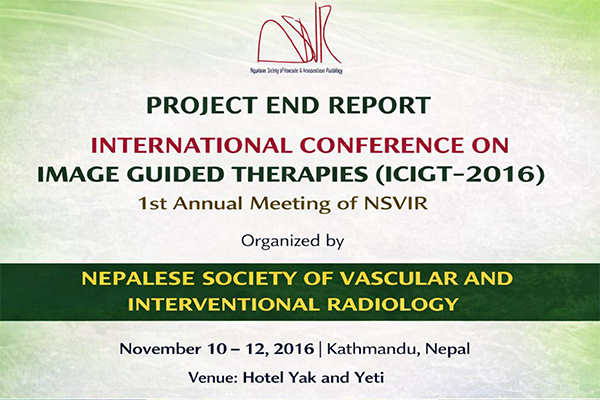
The earliest documented milestone of NSVIR is the International Conference on Image Guided Therapies (ICIGT-2016), held from November 10–12, 2016 at Hotel Yak and Yeti, Kathmandu, and presented as the 1st Annual Meeting of NSVIR. This conference marked the formal academic emergence of NSVIR and demonstrated its early commitment to building interventional radiology in Nepal through collaboration with national and international partners. The brochure notes that more than 20 international interventional experts were invited, reflecting a strong international vision from the society’s foundation.
2017 – ABCNR Course: Emergency and Trauma Neuroimaging
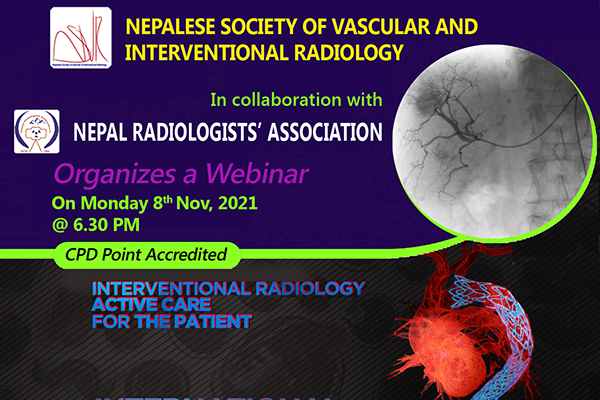
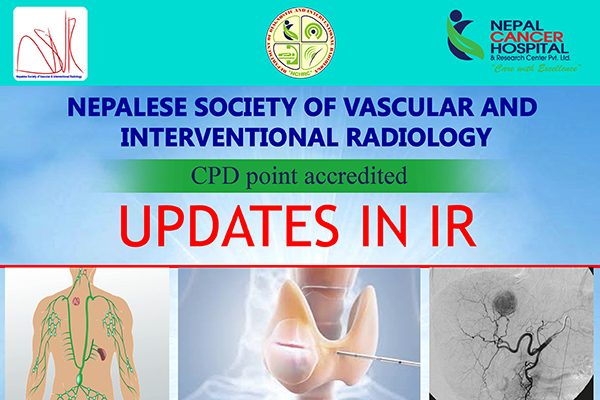
Interventional Radiology (IR) is a modern medical specialty that uses advanced imaging techniques such as X-ray, ultrasound, CT scan, MRI and Fluro guidance to perform minimally invasive procedures to patient. Doctors use small instruments like needles, wires and catheters to diagnose and treat various conditions with precision.
Interventional Radiology offers minimally invasive, image-guided treatments that provide several important benefits like
Most of the procedures can be performed under local anesthesia or mild sedation.
Less pain, Faster recovery and shorter hospital stays.
Lower risk of complications, reduced infection chances
Faster return to normal activities
These benefits makes it a safer and more efficient treatment option for many conditions.
In many cases Interventional Radiology (IR) is equivalent to surgical methods if not superior whereas in some conditions IR may be the gold standard treatment. Similarly in some condition Surgery offers the gold standard methods of treatment. However, IR is a minimally invasive, image-guided treatment that uses small incisions and specialized tools, while traditional surgery involves open procedures with larger cuts to access the body directly. IR generally offers less pain, fewer complications, shorter hospital stays, and faster recovery, whereas surgery may be required for more complex or advanced conditions that cannot be treated through minimally invasive techniques. IR provides backup as well as provides palliative support to patient when there are complications from surgery.
Yes, Interventional Radiology is generally considered safe and well-established when performed by trained and certified interventional radiologist using advanced imaging guidance. Like any medical procedure, it may have some risks, but these are usually low and carefully managed based on each patient’s condition and overall health.
Minimally invasive procedures in Interventional Radiology include a wide range of image-guided treatments performed through small incisions or needle access instead of open surgery. Common types include angiography and angioplasty for blood vessels, embolization to block abnormal bleeding or tumors, biopsy for tissue sampling, drainage procedures for abscesses or fluid collections, and image-guided tumor treatments such as ablation therapy. These procedures are designed to be safer, less painful, and faster in recovery compared to traditional surgery.
Interventional Radiology is a rapidly advancing field of medicine that focuses on diagnosing and treating diseases using minimally invasive, image-guided procedures. Interventional radiologists use advanced imaging technologies such as X-rays, ultrasound, CT scans, MRI and Fluro guidance to guide …
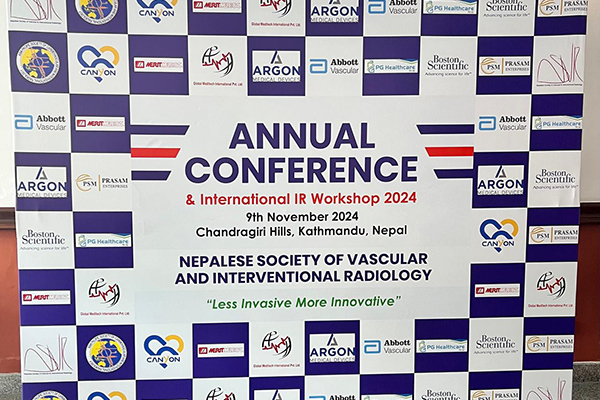
Annual Conference and International IR Workshop 2024
Nepalese Society of Vascular and Interventional Radiology (NSVIR)
"Less Invasive, More Innovative"
In collaboration with …
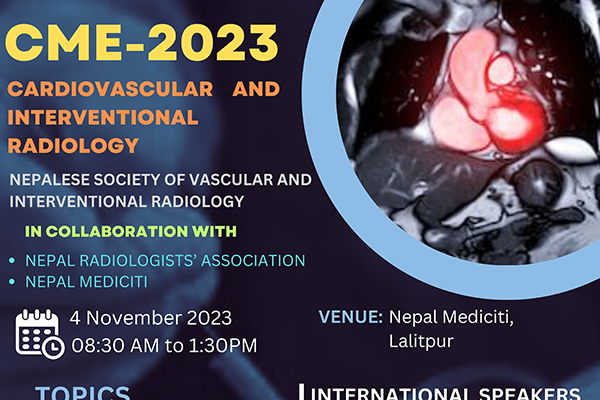
Nepalese Society of Vascular and Interventional Radiology (NSVIR) in Collaboration with Nepal Radiologists' Association and Nepal Mediciti
Date: 4 November 2023
Venue: …
President
Vice President
General Secretary
Treasurer
Joint Secretary
Member
Member
President Elect
Past President